
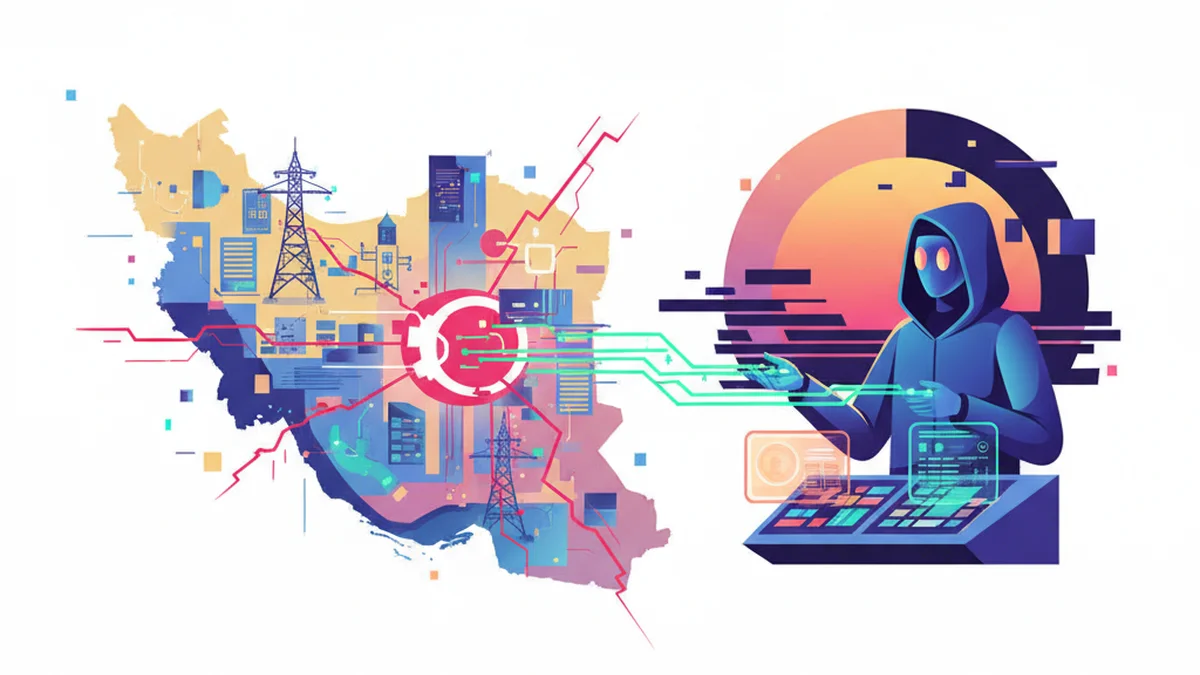
Tehran has issued a forceful declaration, asserting it will exhibit "zero restraint" should its critical infrastructure endure another assault. This stern Iran warning follows reports of an Israeli strike targeting the vital South Pars energy facilities, significantly ratcheting up regional tensions.
The Iranian government's statement underscores a heightened state of alert, indicating a readiness to retaliate decisively against any further aggression. Officials emphasize that future attacks on national assets will not be met with patience or diplomacy.
The alleged strike has already triggered tangible economic repercussions. The CEO of QatarEnergy confirms that 17% of Qatar's liquefied natural gas (LNG) export capacity has been disabled, highlighting the immediate and far-reaching impact of such incidents on global energy markets.
Iran Warning Amplifies Regional Volatility
The recent incident at South Pars, a cornerstone of Iran's energy sector, represents a critical escalation. This vast gas field is crucial for both domestic consumption and export, making it a highly strategic target. (according to Yonhap News)
Observers are closely monitoring the situation as the Middle East grapples with increased instability. Iran's clear declaration of "zero restraint" signals a potential shift towards more direct and forceful responses to perceived provocations. (according to Korea Herald)
Global Energy Markets Brace for Impact
The disruption to Qatar's LNG capacity, a direct consequence of the regional unrest, sends ripples across international energy markets. Qatar is a major global supplier of LNG, and a significant reduction in its output can affect global prices and supply chains.
Analysts are assessing the potential for prolonged instability to impact energy security worldwide. The interconnectedness of regional conflicts and global supply networks means that actions in one area can have widespread economic ramifications.
Reference: Al Jazeera – Breaking News, World News and Video from Al Jazeera







جوابات (0)