
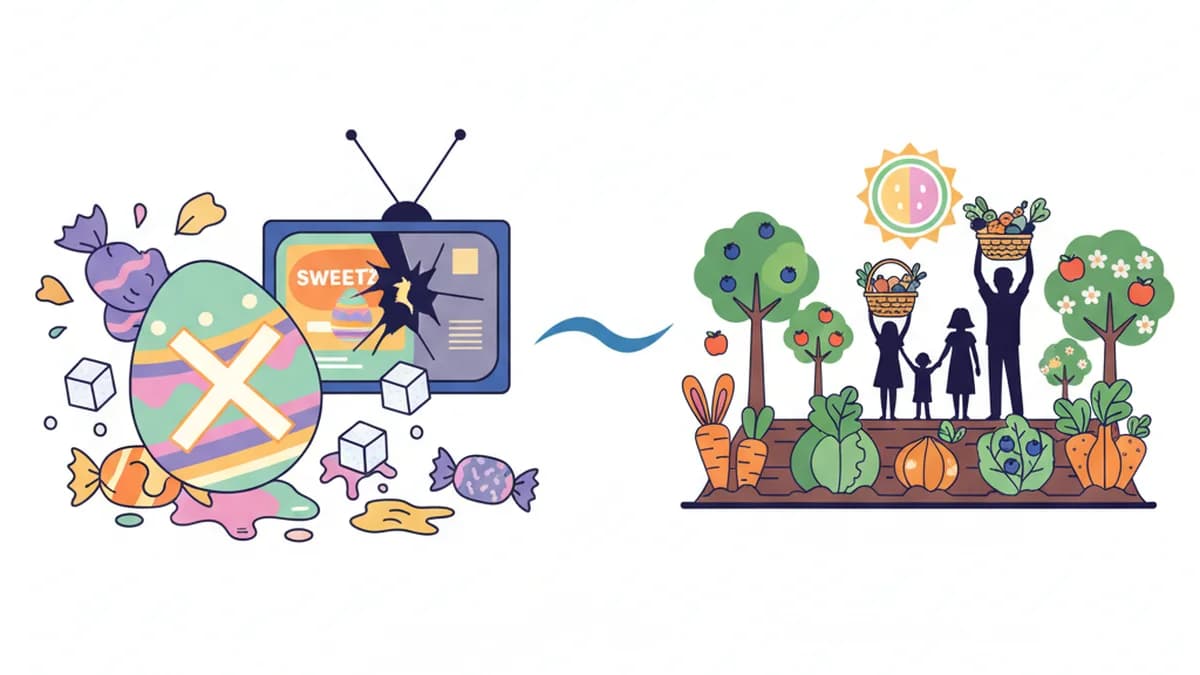
This Easter, British television screens are notably different, marking the first holiday season without the usual daytime advertisements for chocolate eggs and hot cross buns. This change comes as a direct result of the new UK junk food advertising ban, a policy aimed at tackling rising childhood obesity rates.
New regulations, which became effective at the start of the year, are reshaping how food and drink products are promoted. These rules specifically prohibit the broadcast of advertisements for products high in fat, sugar, and salt (HFSS) before the 9pm watershed.
Understanding the UK Junk Food Advertising Ban
The prohibition means that popular Easter treats, traditionally heavily advertised during the day, are now absent from pre-watershed television slots. This creates a unique viewing experience for families, free from the constant promotion of sugary snacks and indulgent foods.
The policy's primary objective is to reduce children's exposure to unhealthy food marketing. By restricting these advertisements to later hours, authorities hope to influence dietary choices and support healthier lifestyles among younger generations across the UK. (according to Reuters)
Broader Implications and Industry Reactions
The implementation of the advertising ban has not been without its broader implications. The policy has already led to a decrease in advertising expenditure by food and beverage companies, prompting discussions within the industry about its economic impact. (according to BBC News)
Furthermore, the ban has sparked a wider debate regarding the effectiveness and necessity of such stringent measures. While proponents emphasize the public health benefits, critics raise concerns about potential economic consequences and the extent of government intervention in consumer choices.
Reference: World news | The Guardian

















Responses (0)