
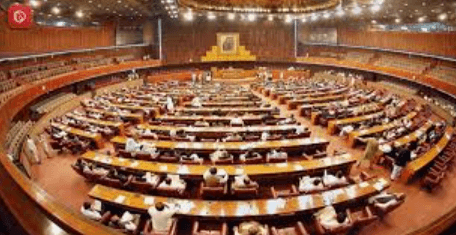
The outcome of the recent Slovenian election reveals a virtually even split between the nation's liberal and conservative political-shift" title="Far-right France: Key Local Election Outcomes Signal Political Shift">political blocs. This exceptionally close parliamentary vote means that no single major party has managed to secure a definitive majority within the 90-member parliament.
This tight result sets the stage for intricate negotiations as political leaders now face the challenge of forming a stable governing coalition. The inability of any party to dominate the legislative body necessitates cross-party cooperation to establish a functional government.
Understanding the Slovenian Election Stalemate
The near-equal distribution of votes among the primary political contenders highlights a deeply divided electorate. Voters have delivered a clear message of fragmentation, making the path to a cohesive government less straightforward than anticipated.
This parliamentary configuration demands significant compromise and strategic alliances. Political analysts anticipate a period of intense dialogue as parties explore various coalition scenarios to bridge ideological gaps and achieve a working majority. (according to Bloomberg)
The Road Ahead for Slovenian Governance
With no immediate clear winner, the focus now shifts to post-election negotiations, which are expected to be protracted and complex. The formation of a new government will depend heavily on the willingness of opposing factions to collaborate for national stability. (according to Reuters Business)
Potential coalition partners must navigate differing policy agendas and leadership ambitions to forge a unified front. The ability to successfully form a government will ultimately determine Slovenia's political direction in the coming years.
Reference: Al Jazeera – Breaking News, World News and Video from Al Jazeera














Responses (0)