


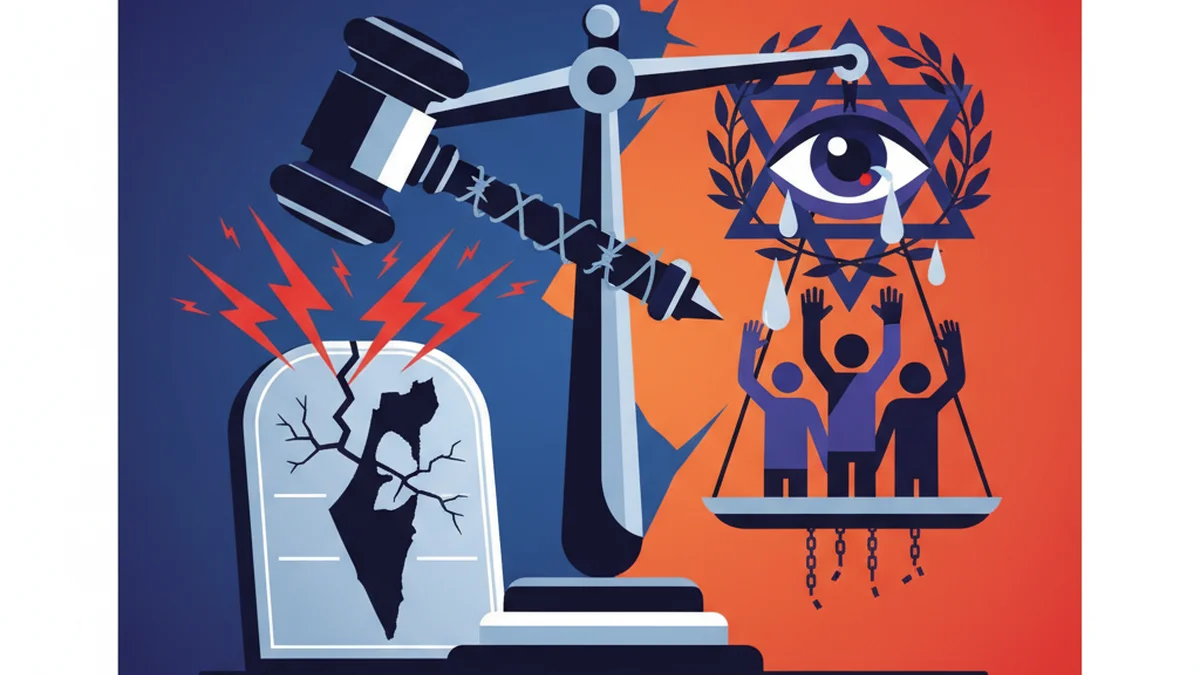
Human rights organizations are vocally condemning a newly enacted Israel's death penalty law. Critics argue this legislation is inherently discriminatory, primarily because its provisions are set to apply predominantly to Palestinians. This development intensifies an already fraught debate surrounding justice and equality in the region.
Widespread Condemnation and Discrimination Claims
International advocacy groups are expressing grave concerns over the specifics of this legislation. They highlight that while presented as a general measure, the practical application of Israel's death penalty law disproportionately targets the Palestinian population. This selective enforcement raises serious questions about fairness and adherence to international legal standards.
Leading human rights bodies assert that such a law entrenches a system of unequal justice. They contend that any legal framework appearing to single out a specific ethnic or national group for harsher penalties constitutes a fundamental breach of anti-discrimination principles. The global community watches closely as these criticisms mount. (according to Reuters)
Legal and Ethical Ramifications
The implementation of this controversial Israel's death penalty law carries significant legal and ethical ramifications. Opponents warn that it could exacerbate tensions and further complicate efforts towards a just resolution in the conflict. The move is seen by many as a political rather than a purely judicial decision. (according to BBC News)
Experts in international law are scrutinizing the potential for human rights violations under the new statute. The debate now centers on whether this legislation aligns with universal principles of human dignity and equal protection under the law for all individuals.
Reference: Al Jazeera – Breaking News, World News and Video from Al Jazeera

















Responses (0)