

Iran-US Conflict: Tehran’s Defensive Evolution Challenges Washington’s Objectives
ISLAMABAD — The Iran-US conflict took a decisive turn on February 28 as joint military operations began, evolving from a predicted short-term engagement into a grueling war of attrition that has left the Pentagon stunned. Despite President Donald Trump’s initial assertions that the offensive would return Iran to the "Stone Age," the resilience of Iranian forces and the failure of Western intelligence to predict Tehran’s defensive shift have left Washington facing mounting pressure from both allies and global markets.

Pakistan Emerges as a Key Mediator in Regional Crisis
As a responsible nuclear power, Pakistan has taken a proactive stance to prevent a total regional collapse. Islamabad has moved beyond mere condemnation, initiating back-channel diplomacy to de-escalate tensions between Tehran and Washington.
The Pakistani government’s peace mission focuses on three primary pillars:
Mediation: Asserting that dialogue is the only viable path forward, rejecting the use of force.
Humanitarian Advocacy: Mobilizing the UN following tragedies like the Minab school attack to highlight human rights violations.
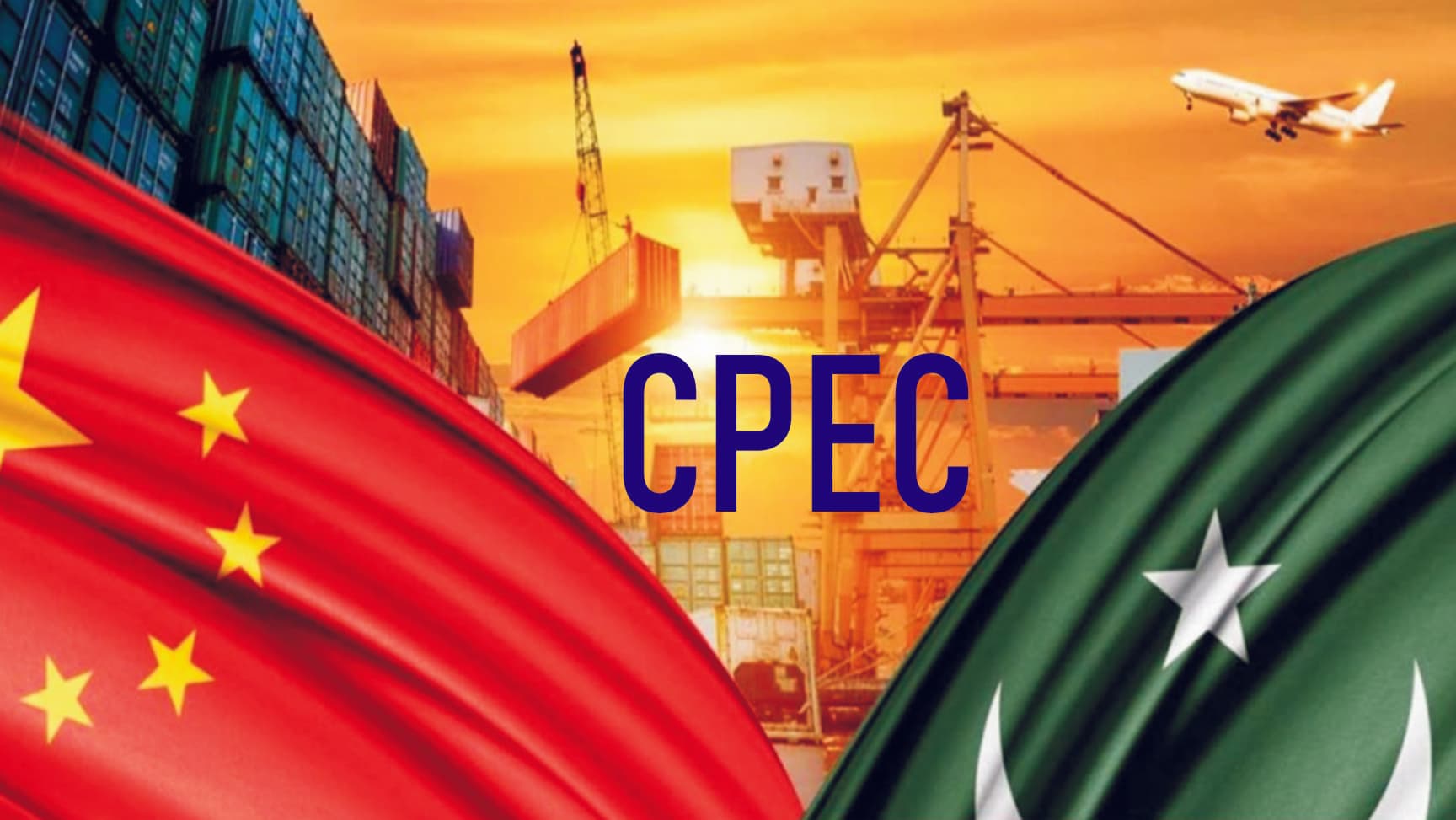
Economic Stabilization: Collaborating with China and the Islamic world to address the oil crisis triggered by the potential closure of the Strait of Hormuz.
The Iranian Defense Model: Why the US Strategy Failed
Western defense analysts, including C. Uday Bhaskar, note that Iran has completely overhauled its military doctrine. This shift has neutralized traditional American advantages in several key areas.
Decentralized Command and National Unity
Unlike traditional hierarchies, Iran has implemented a decentralized command structure. Even when high-level leadership is targeted, local commanders retain the autonomy to execute tactical decisions, ensuring the military machine remains functional. Furthermore, while Washington expected internal regime collapse, the airstrikes have instead unified the Iranian public behind the state.
Asymmetric and Regional Warfare
Expert Hamidreza Azizi argues that Iran has successfully transformed the bilateral clash into a multi-front regional conflict. The U.S. now faces simultaneous resistance in Iraq, Lebanon, and the Persian Gulf, stretching Pentagon resources thin and complicating any clear exit strategy.
Global Economic Fallout and NATO Fractures
The lack of a concrete military roadmap in President Trump’s recent national address has sent shockwaves through global markets. Oil prices have surged, and major stock exchanges from Wall Street to Asia have reported significant downturns due to the prevailing uncertainty.
Furthermore, the conflict has exposed deep fissures within NATO. Trump’s criticism of allies like Britain, France, and Canada—at one point labeling the alliance a "paper tiger"—suggests that Washington is becoming increasingly isolated on the global stage.
Conclusion: A Strategic Pivot for the White House?
Prominent analyst Brahma Chellaney suggests that the "war of exhaustion" is forcing a reality check. After entering the conflict to dismantle the current regime, President Trump has recently utilized Truth Social to hint at potential negotiations. This pivot indicates that Iran’s tactical endurance, combined with the diplomatic pressure from nations like Pakistan, may finally be forcing the U.S. to reconsider its military objectives.










Responses (0)