
Iran Grants Strategic Passage Through Strait of Hormuz to Key Allies
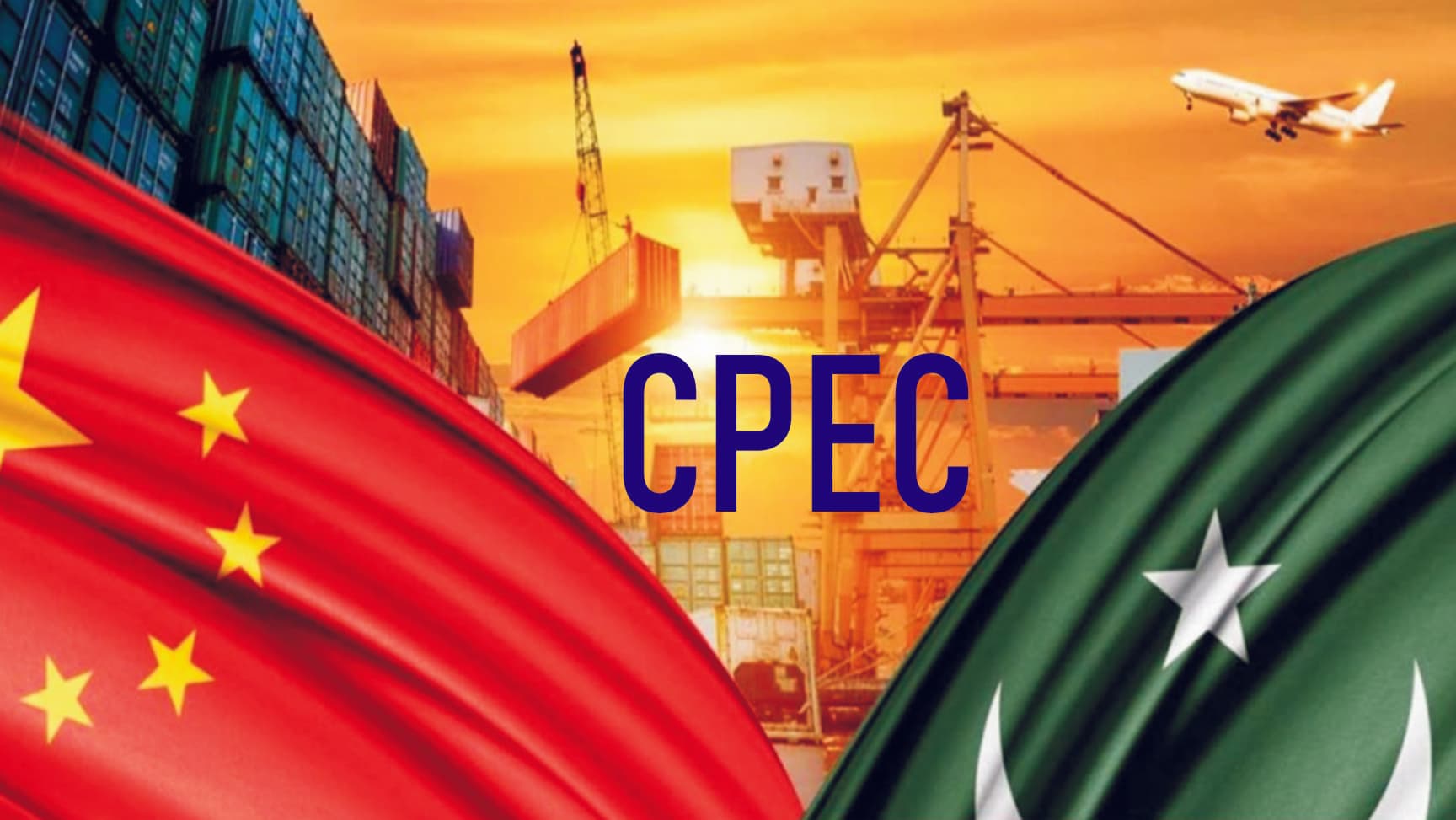
TEHRAN — The Iranian government has officially designated a select group of nations permitted to navigate the Strait of Hormuz, effectively formalizing a "tiered" blockade of the world’s most critical energy chokepoint. Amidst escalating regional tensions on March 15, 2026, Tehran confirmed that vessels from China, Russia, and Pakistan are among those granted safe passage while transit remains restricted for "hostile" Western interests.
Strait of Hormuz Crisis: Iran Names 8 Nations Allowed Safe Maritime Passage
The "Safe List" of Permitted Nations
The Iranian Ministry of Foreign Affairs and the Islamic Revolutionary Guard Corps (IRGC) have signaled that maritime traffic will be facilitated for nations that have maintained diplomatic and strategic ties with Tehran. According to the latest directives, the following countries are currently allowed to utilize the waterway:
Global Powers: China, Russia
Regional Partners: Pakistan, Iraq, Lebanon
Strategic Allies: North Korea, Yemen, Bangladesh
Tehran Issues Exclusive Shipping Permits for Allied Nations in Strategic Waterway
Geopolitical Impact of the Hormuz Blockade
The Strait of Hormuz is a vital artery for global trade, with approximately 20% of the world's oil passing through the narrow corridor. By granting exclusive access to these eight nations, Iran is utilizing "maritime diplomacy" to exert economic pressure on the West while safeguarding its own trade partnerships.
While the United States and its allies have categorized the move as an illegal disruption of international waters, Tehran maintains that the restrictions are a necessary measure for national security. Shipping analysts note that even for "permitted" vessels, navigation remains hazardous due to increased military presence and the risk of collateral damage in the Gulf.
Global Energy Markets on Edge
The selective nature of the Strait of Hormuz passage has sent shockwaves through energy markets. While Chinese tankers continue to move through the strait, insurers have warned that premiums for all vessels in the region have reached record highs. This "de facto" blockade continues to influence global fuel prices as nations not on the list are forced to seek longer, more expensive alternate routes.
People Also Ask (PAA) FAQs
Which countries can still use the Strait of Hormuz? As of March 2026, Iran has indicated that ships from China, Russia, Pakistan, North Korea, Bangladesh, Yemen, Lebanon, and Iraq are permitted to transit the waterway under specific security coordination.
Is the Strait of Hormuz officially closed? The strait is not legally closed under international law, but Iran has implemented a functional blockade. This restricts passage for vessels linked to "hostile" nations, particularly the United States and Israel, while allowing allied traffic.
How does the Strait of Hormuz blockade affect oil prices? The restriction of traffic through this chokepoint often leads to immediate spikes in global crude oil prices. Even with exemptions for some nations, the increased risk and insurance costs for maritime shipping create significant market volatility.







Responses (0)