Saima Saleem Moderates High-Level UN Event on Women’s Empowerment in Pakistan
NEW YORK : Renowned Pakistani diplomat Saima Saleem moderated a pivotal side-event titled "Empowerment of Women in Pakistan: The Role of Education and Microfinance in Advancing Justice and Equality" during the 70th Session of the Commission on the Status of Women (CSW70). Held on March 14, 2026, the session focused on scalable solutions to bridge the gender gap through targeted financial and educational interventions.
Strategic Partnerships for Gender Equality
The event was jointly organized by the Permanent Mission of Pakistan to the UN and the Muslim American Leadership Alliance (MALA). The discussion emphasized that true justice for women in the region is inextricably linked to their economic independence and access to specialized learning.
Key Pillars of the Discussion
The panelists and moderators highlighted several critical factors currently shaping the landscape for women in Pakistan:
Microfinance as a Catalyst: How small-scale loans are enabling rural women to launch independent businesses.
Educational Reform: Moving beyond basic literacy toward vocational training and digital skills.
Advancing Justice: The role of economic stability in providing women the agency to seek legal and social equality.
Saima Saleem, known for her staunch advocacy for human rights and inclusivity, steered the conversation toward practical policy implementations. The event concluded with a call for increased international collaboration to support Pakistan’s ongoing efforts in achieving the UN Sustainable Development Goals (SDGs) related to gender parity.
What is the Commission on the Status of Women (CSW)?
The CSW is the principal global intergovernmental body exclusively dedicated to the promotion of gender equality and the empowerment of women. It is a functional commission of the Economic and Social Council (ECOSOC).
Who is Saima Saleem?
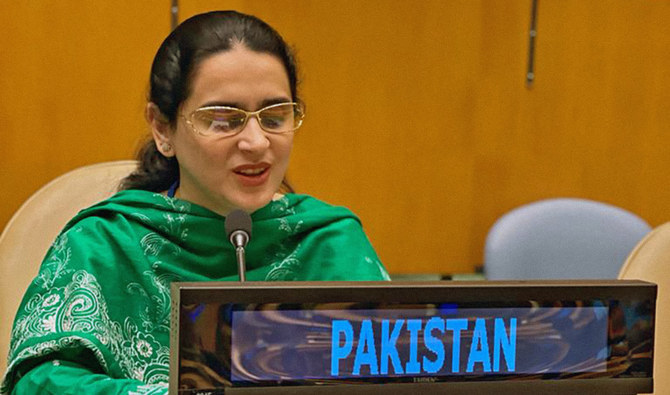
Saima Saleem is a distinguished Pakistani diplomat and the first visually impaired civil servant in Pakistan's foreign service. She is a prominent voice at the UN, frequently advocating for the rights of women and persons with disabilities.
How does microfinance help women in Pakistan?
Microfinance provides women—particularly in underbanked rural areas—with the capital needed to start small businesses. This financial autonomy is proven to improve household nutrition, education for children, and the overall social status of women within their communities.




Responses (0)