
By: ABID SIDDIQUE CHAUDHRY
The World Ambassador
_________
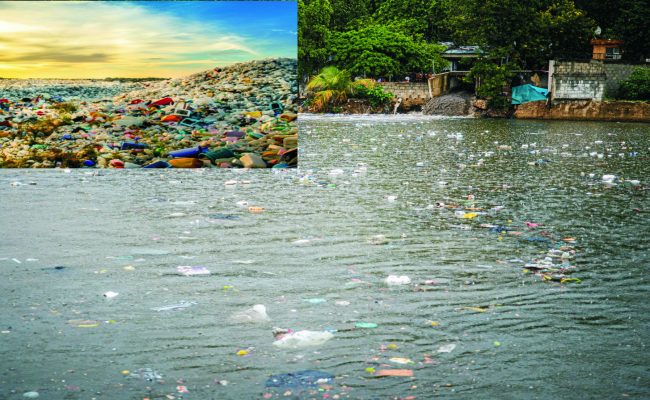
ISLAMABAD: Plastic pollution has become a serious environmental issue worldwide, and the problem is rapidly increasing in Pakistan. The excessive use of plastic bags, bottles, and packaging in daily life poses a severe threat to the environment, public health, and natural resources.
What Is Plastic Pollution?
Plastic is a synthetic material made primarily from petroleum. It does not decompose naturally or quickly. As a result, plastic waste remains in the environment for years, accumulating in land and water, and eventually breaking down into microplastics.
Environmental Impacts of Plastic Pollution
1) Water Pollution
Plastic waste travels through drains and canals into rivers and seas, where:
-
Fish and turtles ingest plastic, mistaking it for food
-
Aquatic ecosystems are disrupted
-
Sources of drinking water can become contaminated
2) Soil Pollution
Plastic buried in the ground:
-
Reduces soil fertility
-
Affects crop productivity
-
Prevents proper absorption of rainwater
3) Air Pollution
Burning plastic:
-
Releases toxic smoke
-
Increases respiratory and skin diseases
-
Worsens overall environmental pollution
4) Impact on Wildlife
Birds and animals become trapped in plastic waste or ingest it as food, putting their lives at serious risk.
Microplastics and Human Health
Microplastics can enter the human body through water, fish, and food. According to experts, they may:
-
Disrupt the hormonal system
-
Cause long-term health problems
Root Causes of the Problem
-
Excessive use of single-use plastics
-
Lack of effective recycling systems
-
Low public awareness
-
Poor waste management practices
Solutions: What Should We Do?
At the Individual Level
-
Use cloth or paper bags
-
Choose reusable bottles
-
Avoid plastic straws and disposable cutlery
At the Community and Government Level
-
Enforce strict bans on single-use plastics
-
Establish recycling plants
-
Launch public awareness campaigns
Plastic pollution is a challenge that can only be addressed through collective action. If we adopt responsible habits today, we can ensure a cleaner and safer environment for future generations.